Why Motorised Blinds in Singapore Cost Less Than You Think [Expert Guide]
-
By
 Nic
Nic

Many homeowners in Singapore hesitate to install motorised blinds, assuming they’re costly or unnecessary. However, beyond convenience, these automated blinds offer lasting value through comfort, energy efficiency, and seamless integration with modern smart home systems.
This guide explores the real benefits of motorised blinds, how they compare with manual options, and when the investment truly enhances your home’s comfort and functionality.
Understanding the cost of motorised blinds in Singapore
The exact cost of motorised blinds in Singapore varies substantially based on several factors. Understanding these price variations can help homeowners make informed decisions about this increasingly popular window treatment option.
Typical price range for motorised roller blinds
Singaporean homeowners can expect to pay an estimated SGD 1,000 per window for standard motorised roller blinds. Pricing varies depending on factors such as window size, fabric quality, and motor specifications. While manual roller blinds are generally moreaffordable, averaging around SGD 200 per window, the added convenience and long-term value of automation often justify the higher initial cost.
What adds to the cost: installation, materials, smart features
Several key factors contribute to the final price tag of motorised blinds:
- Motor type and quality: Battery-powered systems offer more affordable entry points and easier installation, whereas hardwired solutions provide more reliable long-term performance but require professional electrical work.
- Control mechanisms: Basic remote-controlled systems start at lower price points, whereas smart home integration with voice assistants like Google Home adds approximately SGD 200-400 to the overall cost.
- Installation complexity: Professional installation generally costs between SGD 100 to SGD 300 per window, varying based on window accessibility and system complexity.
- Material quality: Performance fabrics with specific properties such as blackout or energy-efficient features command premium prices.
Why the price is often misunderstood
Many Singaporeans mistakenly believe motorised blinds are purely luxury items with prohibitive costs. In reality, they represent an increasingly affordable home upgrade with practical benefits.
A common misconception concerns energy consumption. Contrary to popular belief, motorised blinds use remarkably little electricity, the low-voltage motors only activate during adjustment and consume virtually no power when stationary. Consequently, households rarely notice any meaningful increase in energy bills.
Furthermore, motorised blinds frequently pay for themselves through improved energy efficiency by automating shade positions based on the sun’s position, particularly in Singapore’s tropical climate. Additionally, these systems typically experience less wear and tear than manual alternatives, potentially lasting years longer with fewer repair costs.
For families with children or elderly members, the convenience factor becomes especially valuable, no more struggling with cords or reaching difficult windows, making the additional investment worthwhile for accessibility alone.
Motorised vs manual blinds: what’s the difference?
When comparing window treatment options, the fundamental difference between motorised and manual blinds goes beyond the mere presence of a motor. The distinction influences daily living in several practical ways.
Ease of use and accessibility
The primary appeal of motorised blinds in Singapore stems from unparalleled convenience. Instead of manually adjusting each blind, homeowners can control multiple window coverings simultaneously with a simple remote press or smartphone tap. This convenience becomes essential for:
- Hard-to-reach windows above staircases, in high-ceilinged rooms, or behind furniture
- Homes with elderly residents or individuals with mobility limitations
- Busy households seeking to automate daily routines
Indeed, motorised options eliminate the physical effort of pulling cords or chains, which is particularly valuable for properties with numerous windows or large glass façades common in modern Singaporean architecture.
Durability and maintenance needs
Surprisingly, motorised blinds often outlast their manual counterparts. This longevity stems from consistent operation that eliminates the uneven pulling and tugging that typically damages manual systems. The motors themselves typically require little maintenance and are designed to operate for 5-7 years before needing replacement.
Nevertheless, motorised systems do introduce electrical components that manual blinds lack. Although rare, motor failures or electrical issues require specialist repairs rather than simple DIY fixes. Fortunately, most quality motorised roller blinds in Singapore come with 2-3 year warranties covering such eventualities.
Initial cost vs long-term value
Although motorised blinds command higher initial prices, their long-term value proposition often justifies the premium. Beyond convenience, these systems offer tangible benefits including:
Firstly, enhanced energy efficiency through programmable schedules that automatically adjust to maximise natural light while minimising heat gain, particularly valuable in Singapore’s tropical climate.
Secondly, increased property value, as home automation features increasingly appeal to modern buyers.
Lastly, reduced wear and tear translates to fewer replacements over time.
For households with multiple windows requiring daily adjustment, the time saved alone can make motorised systems worth considering, especially in larger homes or for those who value convenience above all.
Are motorised blinds right for your home?
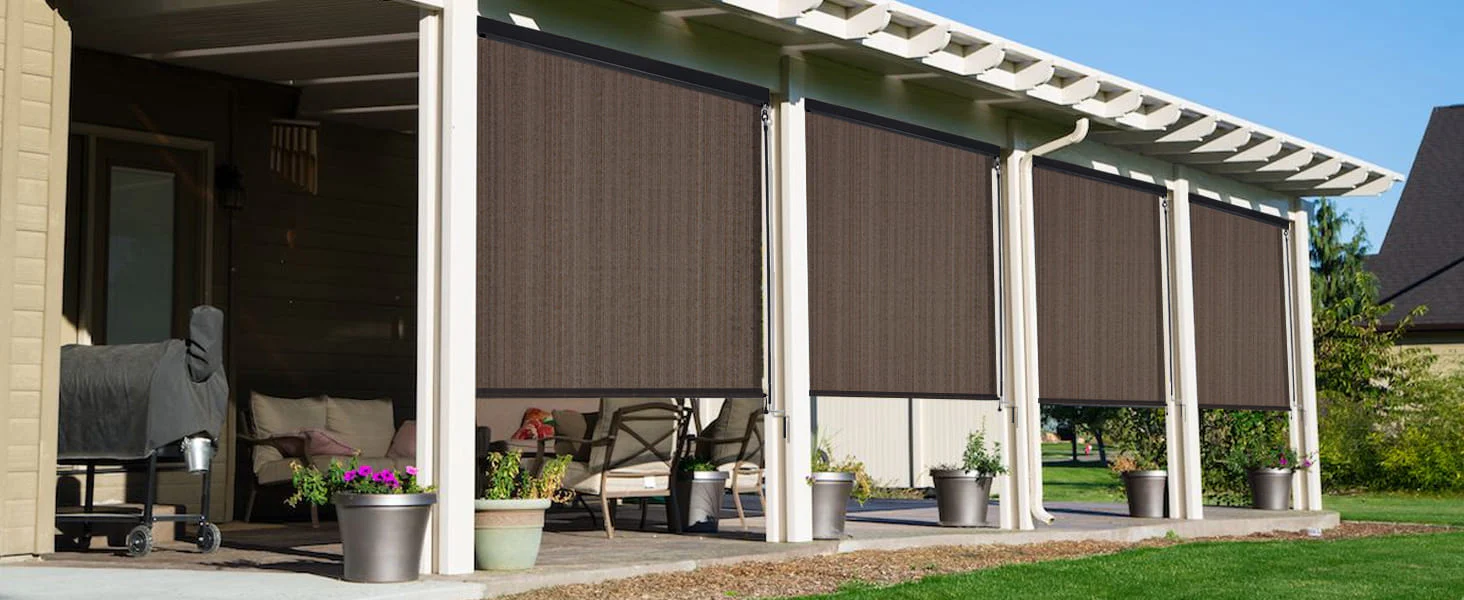
Deciding whether motorised blinds are suitable for your Singapore home requires careful assessment of various practical factors beyond just budget considerations.
Factors to consider: window size, placement, usage
The physical characteristics of your windows significantly impact the suitability of motorised blinds. For large or high windows that are difficult to reach, motorised options provide a practical solution by eliminating the need for ladders or stretching. Similarly, for homes with numerous windows, the convenience of controlling multiple blinds simultaneously becomes invaluable.
Your lifestyle also matters, how often do you adjust your blinds? Households that frequently modify their window coverings throughout the day will benefit most from automation. Moreover, families with young children, elderly members, or individuals with mobility limitations find motorised blinds particularly advantageous as they eliminate dangerous cords and require no physical exertion.
Smart home compatibility and automation
One compelling reason to choose motorised blinds is their integration with smart home systems. Modern motorised blinds can connect with popular platforms like Amazon Alexa, Google Assistant, and Apple HomeKit. This connectivity enables voice control and schedule-based operation, allowing blinds to adjust automatically based on:
- Time of day or sunrise/sunset patterns
- Room temperature or sunlight intensity
- Presence detection when you enter or leave rooms
These automation capabilities not only enhance convenience but also optimise energy efficiency by blocking heat during peak hours.
Budgeting tips: where to start if you’re cost-conscious
If you’re interested but concerned about costs, consider a phased approach. Begin with motorising blinds in high-priority areas such as:
- Living rooms with large windows facing the afternoon sun
- Bedrooms for improved morning routines
- Hard-to-reach windows that require regular adjustment
If you’re still uncertain about whether motorised blinds would benefit your home, for a personalised assessment of your specific needs and window configurations.
Making the most of your investment
Purchasing motorised blinds represents just the beginning of your smart home journey. The right choices after installation ensure optimal performance, longevity, and return on investment.
Choosing the right supplier and warranty
Selecting a trusted supplier like NewLines ensures long-term reliability and peace of mind. As a specialist in motorised blinds and smart shading systems in Singapore, NewLines provides end-to-end service from consultation and custom fabrication to professional installation and after-sales support.
Each motorised blind comes with a comprehensive warranty, covering both parts and service during the initial period, followed by extended coverage for key components. Customers also receive clear guidance on maintenance and warranty terms to ensure lasting performance.
Before purchasing, it’s important to review all warranty details and usage guidelines, as coverage may exclude damage from improper use, exposure to harsh weather, or accidental impact.
How to maintain motorised blinds
Regular maintenance substantially extends system lifespan. Home cleaning experts recommend monthly dusting routines to prevent buildup that affects both appearance and functionality. For optimal care:
- Gently vacuum fabric blinds with brush attachments
- Wipe plastic components with appropriate cleaning solutions
- Check battery status every 9-12 months for wireless systems
Maximising energy savings with automation
Properly configured motorised blinds reduce energy consumption by approximately 25%. Temperature regulation typically accounts for 30-40% of building energy usage, hence automatic positioning of blinds based on sunlight conditions delivers measurable savings.
For maximum efficiency, integrate blinds with smart sensors that adjust automatically to external conditions. This system ensures optimal positioning without constant manual adjustment, particularly valuable in Singapore’s climate.
Conclusion
Motorised blinds are more than a luxury, they’re a smart, long-term investment in comfort, efficiency, and accessibility. Beyond the convenience of remote operation, they help regulate indoor temperatures and reduce air-conditioning use, making them especially beneficial in Singapore’s climate. Their low maintenance needs and compatibility with smart home systems further enhance their value.
For homeowners seeking lasting comfort and modern functionality, motorised blinds from NewLines offer the perfect balance of style and practicality.
Contact us today to explore custom solutions that elevate your living space.
FAQs
Are motorised blinds a worthwhile investment for Singaporean homes?
Yes, motorised blinds are often worth the investment. They offer significant convenience, energy savings, and can add a touch of modern luxury to your home. The initial cost is offset by long-term benefits in comfort, efficiency, and potentially increased property value.
How much do motorised blinds typically cost in Singapore?
Motorised blinds in Singapore generally cost between SGD 500 to SGD 1,200 per window. The price varies depending on factors such as window size, fabric quality, motor specifications, and additionalsmart features.
Can motorised blinds help reduce energy costs?
Yes, motorised blinds can contribute to energy savings. When programmed correctly, they can automatically adjust to optimise natural light and minimise heat gain, potentially reducing air conditioning costs in Singapore's tropical climate.
What are the main advantages of motorised blinds over manual ones?
Motorised blinds offer superior convenience, especially for hard-to-reach windows. They're easier to use for elderly or mobility-impaired individuals, can be controlled remotely, and often have longer lifespans due to consistent operation and less wear and tear.
Are there any disadvantages to installing motorised blinds?
While motorised blinds offer many benefits, they do have a higher initial cost compared to manual blinds. They also rely on power sources and may require more complex installation and repairs. However, for many homeowners, the advantages outweigh these potential drawbacks.